

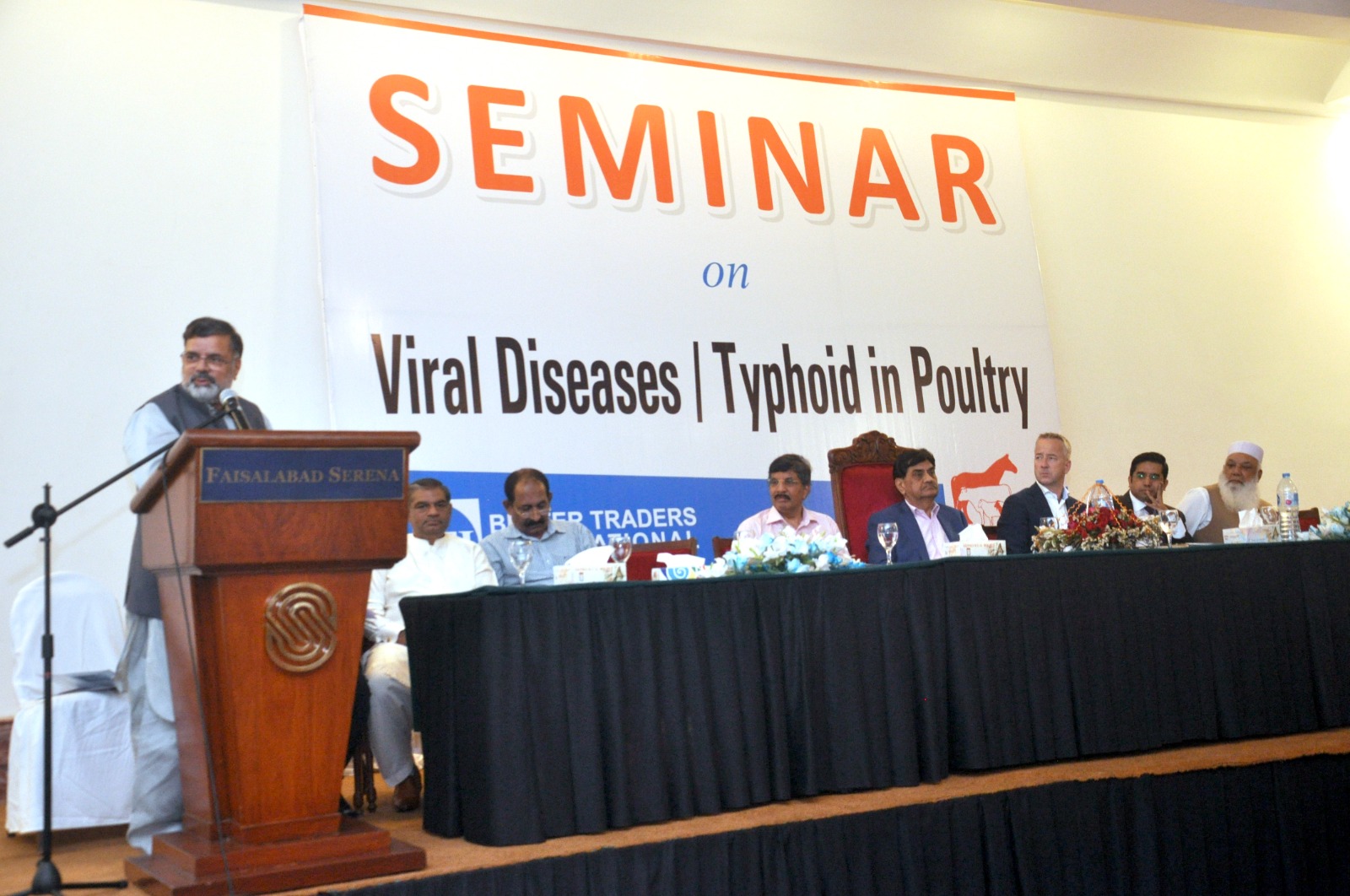

Viral Diseases in Poultry
Poultry farming faces significant threats from various viral diseases, which can cause high mortality rates and substantial economic losses. These diseases are highly contagious and spread quickly among flocks. Common examples include:
- Avian Influenza (Bird Flu): A highly pathogenic disease that can cause severe respiratory and systemic illness.
- Newcastle Disease: A viral infection affecting the respiratory, nervous, and digestive systems of birds.
- Infectious Bronchitis: Primarily a respiratory disease that can also impact egg production and quality.
- Marek’s Disease: A highly contagious herpesvirus infection that causes tumors in various organs.
Typhoid in Poultry
Fowl typhoid is a bacterial disease caused by Salmonella Gallinarum. It’s different from the viral diseases mentioned above, but it’s another major concern for poultry farmers.
- Symptoms: Fowl typhoid can cause depression, diarrhea, and a noticeable drop in egg production.
- Impact: The disease can lead to high mortality, particularly in young chicks, and is a significant economic concern due to poor performance and death in infected flocks.
Seminar Topics
Seminars on these topics typically cover several key areas:
- Disease Prevention: Discussions often focus on biosecurity measures, vaccination protocols, and proper sanitation to prevent outbreaks.
- Diagnosis and Treatment: Experts may present the latest diagnostic methods and discuss potential treatment options, though viral diseases often have no cure, making prevention crucial.
- Industry Trends: Such events are a platform for sharing research, new products (like vaccines and antibiotics), and innovative management practices from global companies.
- Collaboration: Seminars bring together various stakeholders, including veterinarians, farmers, researchers, and company representatives, to share knowledge and strategize for better poultry health management.

Leave A Comment